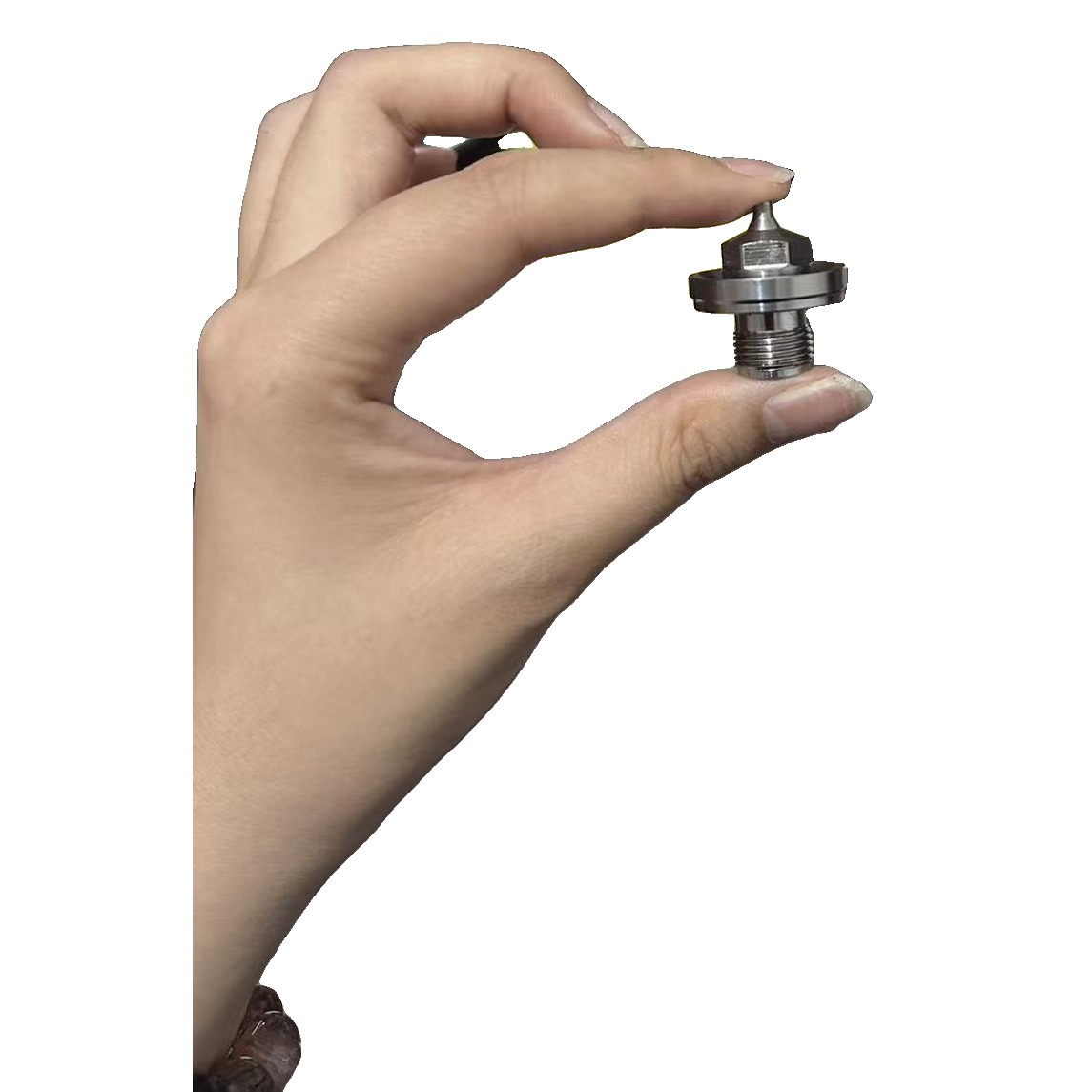
At JIAJIE we machine quick couplers and air-line fittings, and we supply distributors who run both platforms side by side. The question we hear most from workshops and OEM buyers is not "which is newer" but "which is cheaper to own and easier to keep running." This guide is the plain comparison we give them.
How the two platforms get their power
A pneumatic tool is driven by compressed air from a shop compressor. The tool itself has almost no motor mass — air spins a vane or piston rotor — so the tool body stays small and light. A cordless tool carries its own battery and a brushless motor; the weight and cost sit in the pack and electronics, not the air line.
- Air tools: need a compressor + air line + coupler. Once that exists, adding another tool is cheap.
- Battery tools: need nothing but a charged pack. But each new tool category means another battery platform to buy into.
Power-to-weight and torque
For the same job, an air tool is typically lighter and cooler in the hand because there is no heavy battery hanging off it. That matters on a die grinder or impact wrench you hold for a full shift. Pneumatic impact wrenches also deliver very high, sustained torque without the heat buildup that throttles a battery unit under continuous load.
- Grinding / sanding / scaling: air wins on weight and cool running.
- High-torque bolting: air twin-hammer wrenches are the workshop standard for a reason.
- Precision / low duty: battery tools are plenty and far more handy.
Runtime and "refuel" speed
A battery dies; you swap packs and wait for chargers. An air tool only stops if the compressor can't keep up — and "refueling" is instant: the line is already there. For continuous production, that difference is the whole ballgame.
Cost of ownership
The headline price of a cordless tool looks friendly, but add batteries, chargers and the fact that packs degrade every 2–3 years. Air tools are cheaper per tool and last for years with basic lubrication. The catch is the upfront compressor — but one compressor serves a whole wall of air tools.
| Factor | Pneumatic (air) | Cordless (battery) |
|---|---|---|
| Tool unit cost | Lower | Higher |
| Running cost / hour | Electricity for compressor (low) | Battery wear (recurring) |
| Weight in hand | Lighter, cooler | Heavier (battery) |
| Portability | Needs air line | Fully portable |
| Best for | Continuous shop duty | Intermittent / mobile |
Which should you buy?
- Fixed workshop, real volume: standardize on pneumatic. Lower lifetime cost, cooler tools, no battery logistics.
- Mobile, remote or low-frequency: cordless. No compressor, no air line.
- Explosion-risk / flammable areas: air tools are intrinsically safer (no sparking motor, no hot battery).
- Mixed fleet: common — air for the bench, battery for the field. Just size the compressor for the air side.
Our pneumatic range at JIAJIE
We build the air side of that decision: die grinders, impact wrenches, angle grinders, air drills, belt sanders, needle scalers and engraving pens, plus the couplers and air-preparation units that feed them. OEM/ODM and drawing-based machining are available, with MOQ from 1000 pcs and samples in 3–5 days.
Tell us your duty cycle and tool list and we will spec the right air tools and the compressor size to run them.
Frequently asked questions
Are pneumatic tools more powerful than cordless?
For continuous, high-torque work (grinding, impact bolting, scaling) air tools deliver more sustained output with less weight and heat. For short, light tasks a modern brushless battery tool is comparable and far handier.
Why are air tools cheaper to own?
The tool itself is simpler and lighter with no battery or motor electronics, so the unit cost is lower and lifespan is long with basic oiling. One compressor serves many tools, whereas each cordless category needs its own battery platform that wears out every few years.
Do air tools work without a compressor?
No. Pneumatic tools are powered by compressed air, so a shop compressor and an air line with a quick coupler are required. Cordless tools need no external air supply.
Are pneumatic tools safe in flammable environments?
Generally yes — an air tool has no sparking electric motor and no hot battery, which makes it preferable in flammable or explosion-risk areas where battery tools may be restricted.
Which is better for a small home workshop?
For occasional, low-volume home use a cordless tool is usually the better buy: no compressor to buy or maintain, and true portability. Pneumatic pays off once you use tools for hours or run several of them.
Shop the range: Industrial Pneumatic Tools · Impact Wrenches & Ratchets · Pneumatic Air Drills · Mini Air Compressors